
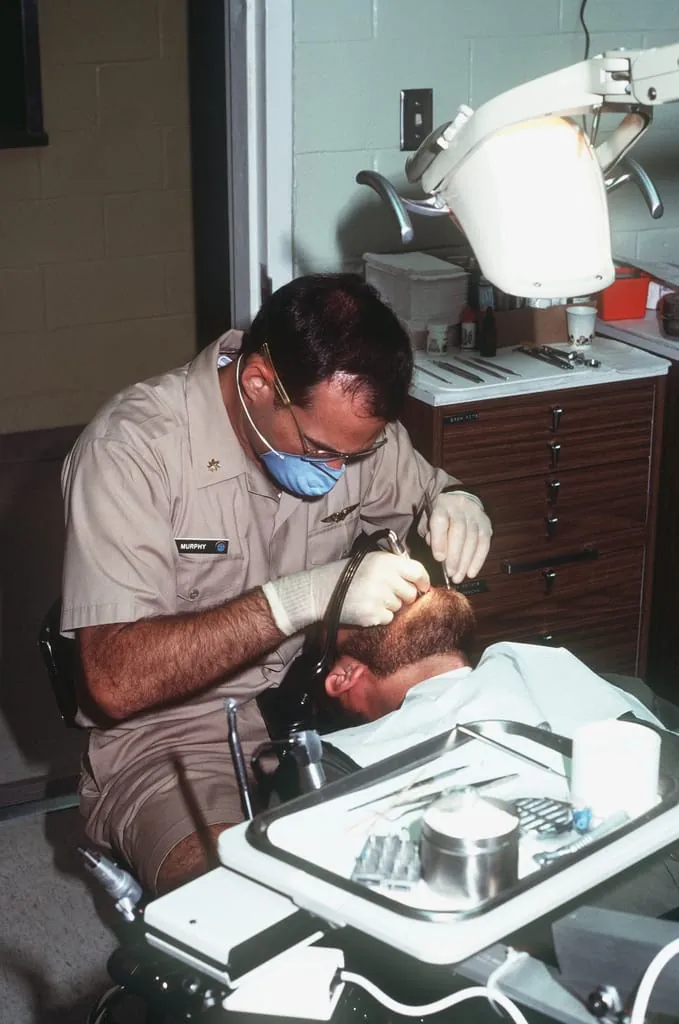
What is dental surgery?
Most dentistry is carried out on the visible parts of teeth. Some situations require surgical access: a tooth that is too badly damaged to restore, a tooth that is impacted or has unfavourable roots, a retained root fragment, or a procedure on the tissue around the teeth.
The most common procedure is the extraction of a tooth that cannot be retained. In others, access is needed to remove a broken root, to treat an area of infection, or to take a small sample of tissue for laboratory examination.
Surgery is planned rather than improvised. Radiographs establish the anatomy around the site, the procedure is explained beforehand, and aftercare instructions are given so that you know what to expect while the area heals.
Who may need this treatment
Surgical treatment may be considered when:
- A tooth is so extensively damaged or decayed that it cannot be restored.
- A tooth is mobile because of advanced gum disease and cannot be retained.
- A root canal treated tooth has failed in a way that cannot be retreated.
- A tooth is impacted, or its roots are shaped such that removal requires surgical access.
- An area of infection around a tooth needs to be drained or treated.
- A root fragment or part of a broken instrument has been left under the gum.
- A soft tissue change needs examination by a laboratory.
The treatment process
Assessment and imaging
The site is examined and radiographed, and your medical history and medication are reviewed. The need for the procedure and any alternatives are explained.
Explaining the procedure
What will be done, how long it is expected to take, what you will feel, and what the aftercare involves are all set out before you consent.
Anaesthesia and the procedure
Local anaesthesia is used. Where indicated, additional measures may be arranged. The procedure is carried out with attention to preserving the surrounding bone and tissue.
Managing the socket or site
The site is cleaned, and where appropriate secured or closed with sutures. A gauze pack is used to control bleeding.
Written aftercare
Instructions on pressure packs, cold application, medication, eating, cleaning and what to avoid are provided in writing, along with warning signs to report.
Review
The site is reviewed so that healing can be confirmed and sutures removed where necessary. If replacement of the tooth is planned, the timing is discussed at this stage.
Benefits of treatment
Where a tooth cannot be saved, removing it eliminates a reservoir of infection that would otherwise persist.
A tooth that cannot be restored often continues to cause discomfort until it is treated.
An unresolved infection next to sound teeth can affect the bone that supports them.
The site of a planned extraction is assessed with future replacement in mind — which matters if an implant is being considered.
Where tissue is removed for examination, the result guides further treatment.
Planning that protects what surrounds the tooth
Surgical planning begins with imaging. Radiographs show root shape, curvature, bone density and proximity to important structures, which determines how a tooth should be removed and how much bone can be preserved.
Where a tooth is being removed with replacement in mind, bone preservation becomes part of the plan: a deliberate, minimally traumatic technique keeps the socket walls as intact as possible. Sterile single-use instruments and strict aseptic routine accompany every procedure.
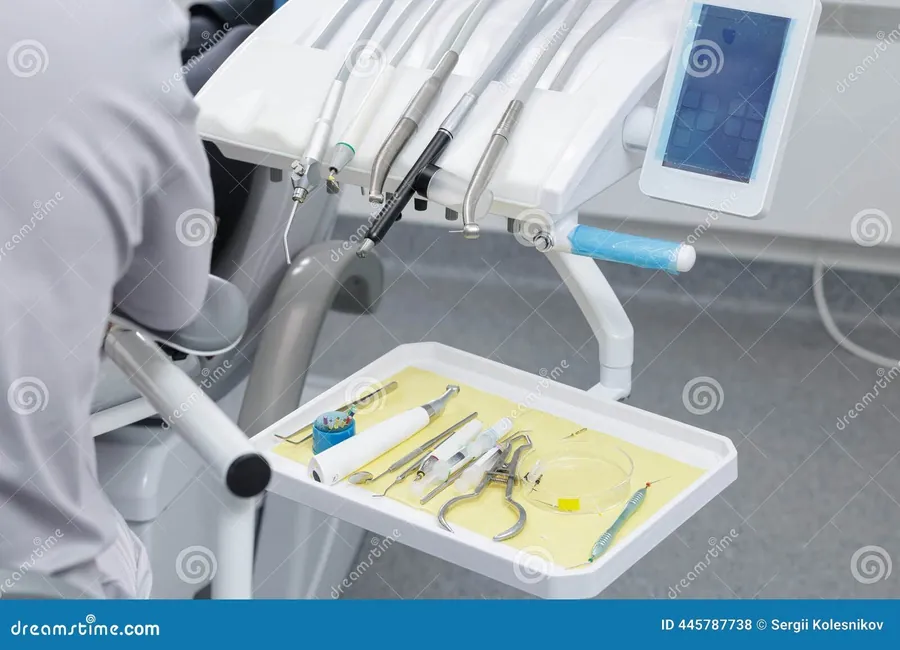
- Radiographic assessment of root anatomy and surrounding bone
- Medical history and medication reviewed before treatment
- Minimally traumatic technique to preserve bone
- Sterile instruments and aseptic routine throughout
- Site reviewed to confirm uneventful healing
Comfort during and after
Comfort is a clinical decision, not a courtesy — it shapes how treatment is planned and how it is carried out.
Questions About Dental Surgery
The questions patients ask most often about this treatment, answered directly.
Will the extraction hurt?
The area is numbed with local anaesthesia before the tooth is removed, so the procedure is carried out without pain. Afterwards, tenderness and swelling are usual for some days and are managed with the measures in your aftercare instructions.
How long does healing take?
The gum surface typically closes over the first week or two, while the bone underneath fills in over a longer period. The exact course varies between patients and sites, and your dentist will tell you what to expect.
Do I need to replace the extracted tooth?
It depends where the tooth is and how the function of your bite is affected. Sometimes leaving a space is acceptable; often replacement is advisable to avoid drifting of neighbouring teeth. The options are discussed before the extraction whenever possible.
When can I resume normal activity?
You are usually advised to rest for the day, avoid strenuous exertion and avoid smoking. Specific guidance depends on the procedure performed and will be given to you in writing.