
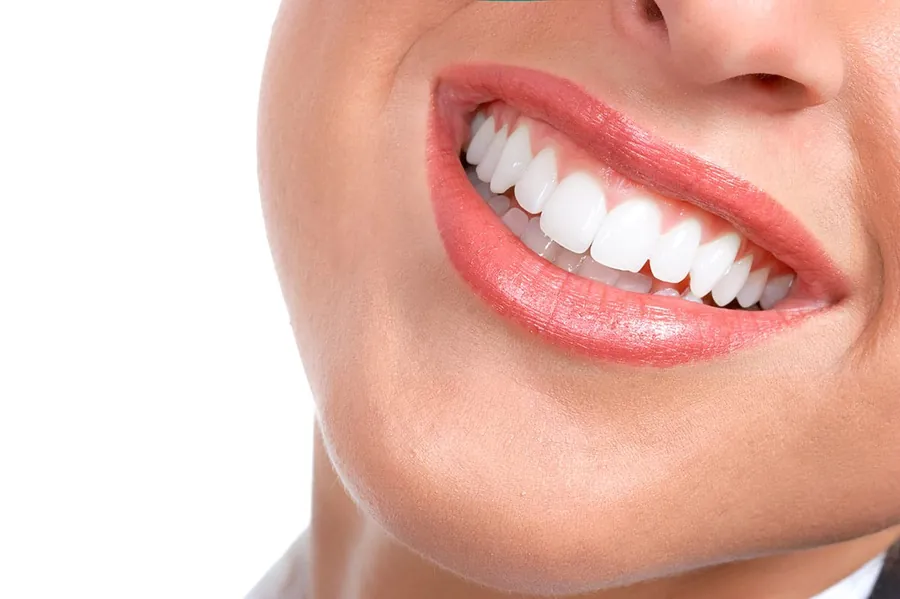
How does teeth whitening work?
Tooth colour is not a surface coating — it comes from the tissue beneath the enamel. Whitening agents break down the pigment molecules inside the tooth, so the tooth itself becomes lighter rather than being painted over. That is why whitening is a gradual chemical process rather than an instant change.
Teeth darken for different reasons: coloured food and drink such as tea, coffee and turmeric; tobacco; ageing; trauma; certain medications; and internal discolouration after root canal treatment. Some of these respond well to whitening and others do not, which is why an assessment comes first.
Existing fillings, crowns and veneers do not change shade with whitening. If you have visible restorations on your front teeth, that has to be planned for — often by whitening first and matching the restorations to the new shade afterwards.
Who may need this treatment
Whitening may be considered when:
- Teeth have yellowed or darkened gradually with diet, tobacco or age.
- You are preparing for a wedding, an event or a photograph and want a fresher appearance.
- Restorations are due to be replaced and a lighter shade is preferred for the replacements.
- One or more teeth are darker than the rest, after assessment establishes the cause.
- Staining sits within the tooth rather than only on the surface.
- You want to know whether whitening or another route is appropriate for your discolouration.
The treatment process
Assessment
Your starting shade is recorded, gum health checked and existing restorations noted. The cause of the discolouration is identified so the right approach is used.
Preparing the teeth
Decay is treated and the teeth are professionally cleaned so that whitening acts on clean enamel and the shade change is even.
Gum protection
A protective barrier is placed against the gums so the whitening agent contacts the teeth and not the soft tissue.
Applying the whitening
Whitening agent is applied in controlled cycles. Some discolouration responds in a single session; darker cases may need more than one, depending on your starting shade.
Reviewing the shade
The shade is assessed once the immediate effect has settled. Tooth colour continues to shift slightly over the first days as the tooth rehydrates.
Maintaining and topping up
A maintenance routine — professional cleaning at intervals, appropriate oral care and top-up whitening where suitable — keeps the result stable.
Benefits of treatment
The improvement comes from inside the tooth, so the change looks like your own teeth being lighter.
Gum protection and pre-treatment cleaning reduce the risk of uneven results and irritation.
Existing crowns and fillings are accounted for in the plan, so the final appearance is coherent.
Whitening does not remove enamel — an advantage over irreversible cosmetic treatment when colour is the only concern.
Measured shade, protected gums
Shade is recorded before treatment and compared afterwards using standardised shade guides under controlled lighting, so progress is measured objectively rather than judged by eye. Photographs taken at the start and on review show the patient the actual change.
Gum protection barriers keep the whitening agent in contact with enamel rather than the gums. Where a tooth is discoloured internally, an in-office approach from inside the tooth may be planned — the classic example being a tooth darkened after root canal treatment.
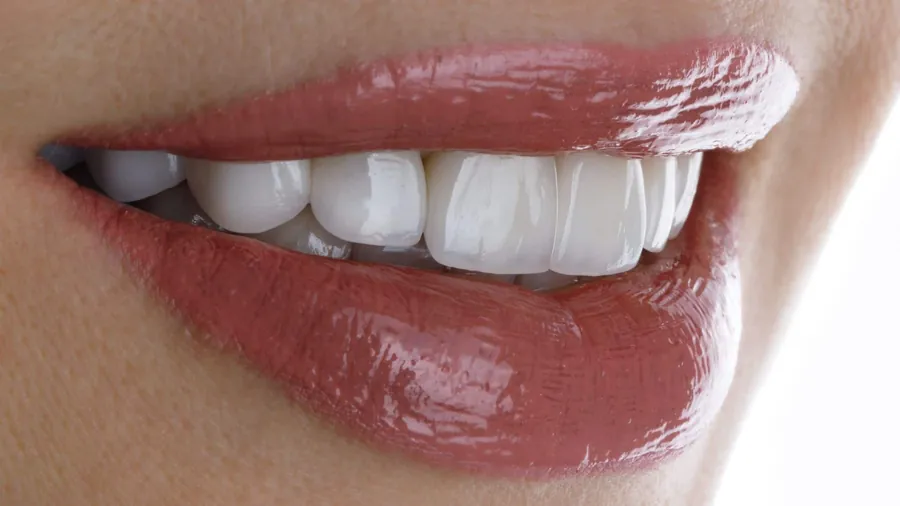
- Recorded starting shade and clinical photographs
- Professional cleaning before whitening for an even result
- Gum barrier applied before the agent is placed
- Review and top-up plan agreed at the outset
Managing sensitivity
Comfort is a clinical decision, not a courtesy — it shapes how treatment is planned and how it is carried out.
Questions About Teeth Whitening
The questions patients ask most often about this treatment, answered directly.
Will my crowns and fillings whiten too?
No. Restorative materials do not respond to whitening agents. If those restorations are visible when you smile, whitening is usually planned first and the restorations matched to the new tooth shade afterwards.
How long does the result last?
It depends on your diet, tobacco use, oral care and the natural ageing of teeth. Tea, coffee, coloured spices and tobacco speed up re-staining. Maintenance cleaning and periodic top-ups keep the shade closer to the initial result.
Does whitening damage enamel?
Professional whitening does not remove enamel. The main reported side effect is transient sensitivity of the teeth and occasional gum irritation, which is why gum barriers and controlled application are used.
Can I whiten a single dark tooth?
Sometimes. A tooth darkened after root canal treatment is often treated from inside the tooth rather than from the outside. Assessment establishes whether that is appropriate in your case.